
Forklift Operator Jobs in Canada: Sponsorship, $60,000+ Pay and Applications (2026 Guide)
Moving stock safely is central to every busy warehouse. Forklift operators support receiving, storage, production, and dispatch, helping goods reach the next stage without damage or unnecessary delays. For an overseas applicant, the clearest starting point is a record of the machines you have operated and the environments in which you used them. Canadian opportunities include distribution centres, manufacturing plants, cold storage, and construction material handling. The right assignment depends on your equipment experience, certificates, shift preferences, and readiness to relocate.
Roles and daily responsibilities
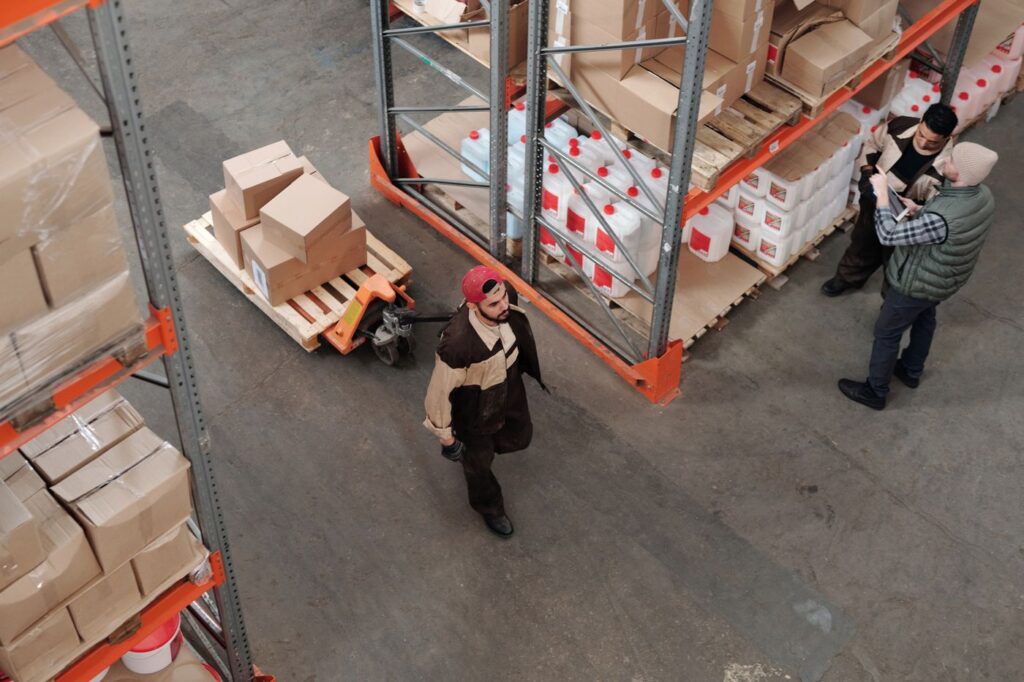
Warehouse operators move stock through storage and fulfilment areas. Shipping and receiving operators concentrate on incoming and outgoing deliveries. Manufacturing operators keep production supplied with materials, while cold-storage teams handle food or pharmaceutical goods in refrigerated surroundings. Construction operators move building materials around active projects.
Read the duties closely before applying. The same broad job title can cover different responsibilities, equipment, settings, and schedules. Choose an assignment that fits the work you can demonstrate and identify any training you would need before starting independently.
Salary and the full employment package
Experienced operators are described in the CAD $45,000–$60,000+ annual range. Province, equipment skills, industry, union benefits, night work, and overtime influence earnings. The $60,000 headline is most relevant to experienced workers and schedules that may include additional hours.
Compare the basic wage and contracted hours separately from overtime, bonuses, allowances, and one-time relocation support. Ask whether the annual figure includes additional shifts. This gives you a clearer view of the income attached to a normal working week.
Locations and employers to explore
Ontario, British Columbia, Alberta, Quebec, and Manitoba offer different combinations of distribution, manufacturing, port, and industrial logistics work.
Amazon, Walmart Canada, FedEx Canada, UPS Canada, Loblaw Companies, and Purolator are among the employers to explore, along with third-party logistics providers.
Use the employer’s own careers page alongside relevant job boards and recruitment agencies. Search with a specific role and location, then read the terms attached to the individual vacancy. Record the company, assignment, application date, and response so similar openings do not become confused.
Sponsorship arrangements
The routes discussed include the Temporary Foreign Worker Program, employer-supported work permits, and selected Provincial Nominee Program opportunities.
State your current country, nationality, experience, availability, and need for sponsorship when discussing the vacancy. Ask which arrangement is connected to the actual position and who coordinates the next stages. Keep the written offer and document requests together throughout the process.
Requirements and useful preparation
Prepare evidence of forklift training, safe equipment handling, basic English, physical stamina, and familiarity with warehouse routines. Some employers arrange further certification. Inventory-system knowledge and previous logistics experience can help distinguish your application.
Make a clear distinction between certificates you hold, tasks you have performed, and training you intend to complete. An accurate account helps a recruiter assess your fit and discuss any preparation needed for the assignment.
How to build a focused application
List forklift types, load-handling tasks, loading experience, equipment checks, and any stock systems used. Prepare an interview example showing how you followed safety procedures around people and goods.
- Choose a forklift operator vacancy in Canada that matches your experience and preferred working conditions.
- Prepare a clear CV with relevant duties, qualifications, practical skills, languages, and reliable contact details.
- Tailor a short cover note to the job rather than sending an unrelated general application.
- Keep copies of certificates and references organised, and obtain permission before sharing a referee’s contact details.
- Track suitable applications and respond clearly to any request for more information.
Interview preparation
Prepare examples that show how you approach forklift operator responsibilities. Explain the situation, your own contribution, the instructions or training involved, and the result. Specific examples of safe work, communication, reliability, and teamwork give an employer useful evidence beyond broad personal claims.
Ask about the first assignment, supervision, induction, team structure, and the expectations for a new employee. If a duty or term is unfamiliar, ask for clarification before agreeing that you can perform it independently.
What to confirm before accepting
Discuss equipment training, protective clothing, shift premiums, overtime, warehouse location, and opportunities to progress toward team leadership. Ask which benefits are included, which depend on the assignment, and which costs remain your responsibility.
Review the employer, work location, duties, pay, hours, support package, and document instructions in writing. If accommodation is provided, clarify its duration, facilities, charges, and travel to work. Temporary arrival support should be separated from longer-term living arrangements.
Planning your move
Build a practical budget for starting work in Canada. Include travel, housing, food, transport, insurance where applicable, communication, and existing family commitments. Ask when normal payroll begins and which documents the employer needs for onboarding.
A suitable forklift operator opportunity connects work you can demonstrate with conditions you understand. A focused application and clear questions about the offer help both you and the employer prepare for the next stage.